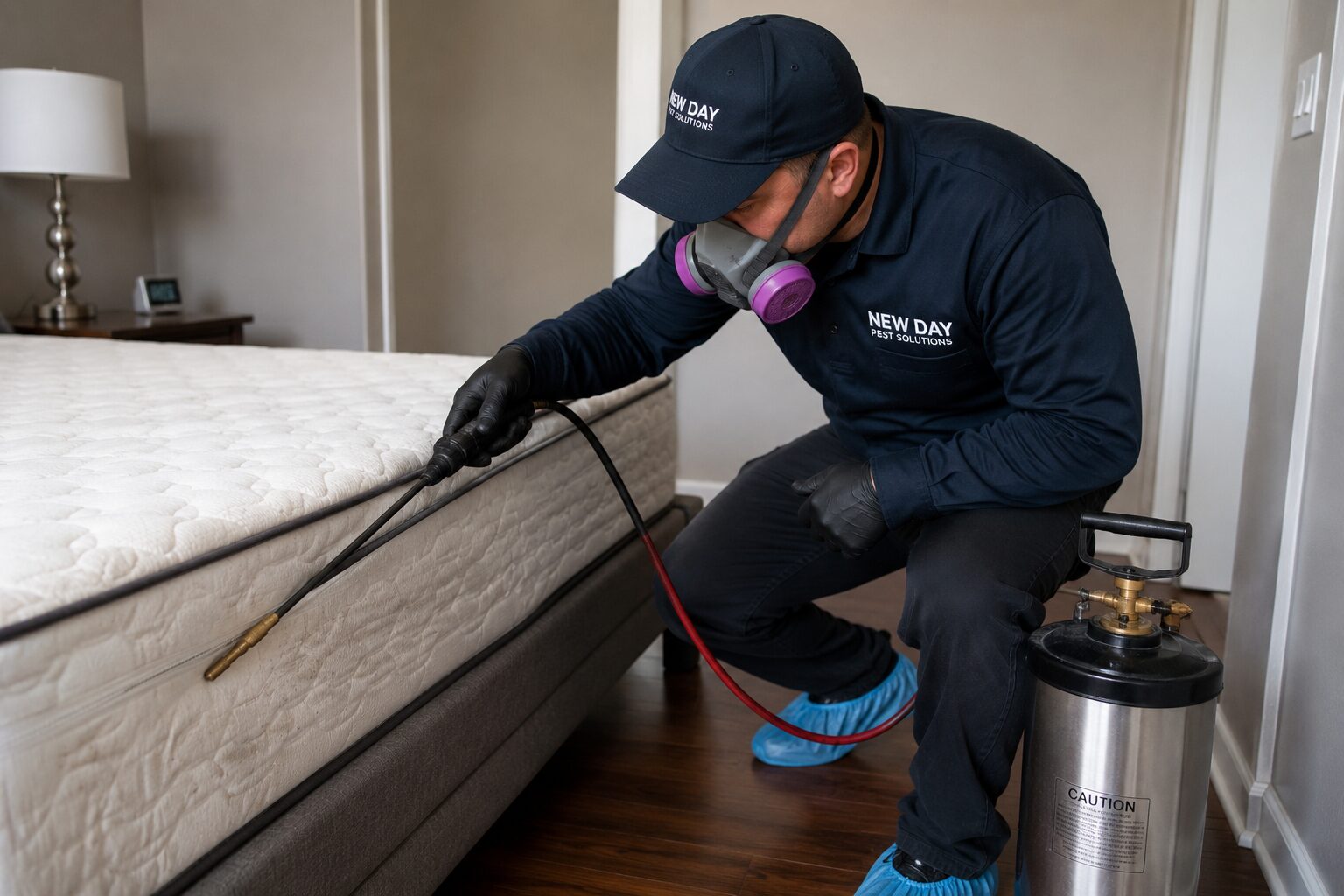
Bed bugs are one of the most stressful and difficult household pest problems homeowners can experience. Unlike many common pests, bed bugs are extremely skilled at hiding, spreading quietly, and surviving in hard-to-reach areas for long periods of time. By the time visible bites or signs appear, infestations are often much larger than people realize.
Many homeowners initially attempt to handle bed bug problems themselves using store-bought sprays or home remedies. Unfortunately, bed bugs are notoriously difficult to eliminate without a thorough and systematic treatment plan. Professional bed bug treatments focus not only on killing visible bed bugs, but also on identifying hidden infestation areas, disrupting breeding cycles, and reducing the likelihood of re-infestation.
Understanding how professional bed bug treatments work can help homeowners know what to expect and why comprehensive treatment is so important.
Bed Bugs Are Extremely Good at Hiding
One reason bed bugs are so difficult to eliminate is their ability to remain hidden in extremely small spaces.
Bed bugs commonly hide in:
- Mattress seams
- Bed frames
- Box springs
- Furniture joints
- Cracks in walls
- Baseboards
- Electrical outlets
- Upholstered furniture
- Luggage
- Clothing
- Behind picture frames
Because they are small and flat-bodied, bed bugs can hide in areas that are very difficult to inspect thoroughly without professional experience.
Most infestations involve far more bed bugs than homeowners actually see.
Professional Inspections Are the First Step
Effective bed bug treatment begins with a detailed inspection.
Professional pest technicians carefully evaluate:
- Sleeping areas
- Furniture
- Upholstered surfaces
- Adjacent rooms
- Cracks and crevices
- Common hiding areas
- Signs of spreading activity
Technicians look for:
- Live bed bugs
- Shed skins
- Small blood spots
- Eggs
- Dark fecal staining
- Hidden harborages
Bed bug infestations are often more widespread than homeowners initially suspect, especially in apartments, multi-unit housing, or homes where the infestation has been present for an extended period.
A proper inspection helps determine:
- The severity of infestation
- Which rooms are affected
- How far the infestation has spread
- The best treatment strategy
Preparation Is Extremely Important
Before treatment begins, homeowners are usually given preparation instructions.
This may include:
- Washing bedding and clothing
- Reducing clutter
- Vacuuming certain areas
- Bagging fabrics
- Moving furniture
- Preparing sleeping areas
Preparation is important because clutter and hidden storage areas can provide additional hiding places for bed bugs.
The goal is to improve treatment access while reducing locations where bed bugs may remain protected.
Professional Treatments Target Multiple Life Stages
One of the biggest challenges with bed bugs is their lifecycle.
Infestations may contain:
- Eggs
- Nymphs
- Adults
Eggs are especially difficult because many treatments do not fully penetrate or destroy them immediately.
Professional bed bug control focuses on treating:
- Active adult populations
- Newly hatched nymphs
- Hidden harborages
- Breeding areas
Because eggs may hatch after initial treatment, follow-up inspections or treatments are often necessary to fully eliminate the infestation.
Multiple Treatment Methods May Be Used
Professional bed bug control often involves a combination of treatment methods depending on the severity of the infestation.
Common approaches may include:
- Targeted insecticide application
- Crack-and-crevice treatments
- Dust applications
- Steam treatments
- Heat treatments
- Monitoring systems
Professional treatments are far more thorough than over-the-counter sprays because technicians are trained to identify the hidden locations where bed bugs actually live and reproduce.
Heat Treatments Can Be Highly Effective
One of the most effective modern approaches to bed bug control is heat treatment.
Bed bugs are highly sensitive to extreme temperatures. Professional heat treatments raise room temperatures to levels lethal to:
- Adult bed bugs
- Nymphs
- Eggs
Specialized equipment carefully heats the structure or affected rooms while monitoring temperatures throughout the treatment area.
Heat treatments can be especially useful because they penetrate many hidden areas where bed bugs may be hiding, including:
- Furniture
- Mattresses
- Wall voids
- Upholstered materials
However, proper setup and monitoring are critical for safe and effective results.
DIY Treatments Often Make Infestations Worse
Many homeowners attempt to treat bed bugs themselves before contacting professionals.
Unfortunately, DIY treatments often:
- Miss hidden infestation areas
- Fail to eliminate eggs
- Scatter bed bugs into new rooms
- Delay proper treatment
- Allow infestations to grow
Over-the-counter foggers and sprays are particularly problematic because bed bugs frequently avoid treated areas and relocate deeper into walls, furniture, or neighboring rooms.
Because bed bugs reproduce quickly and remain hidden so effectively, incomplete treatment often leads to continued infestation.
Bed Bugs Spread Easily Between Rooms
One reason professional treatment is so important is that bed bugs spread easily throughout structures.
Bed bugs may move through:
- Wall voids
- Electrical openings
- Shared apartment walls
- Furniture movement
- Clothing
- Luggage
- Bedding
Infestations that begin in one bedroom may gradually spread throughout the home if not addressed quickly.
Professional inspections help determine whether surrounding rooms or nearby areas also require treatment.
Follow-Up Monitoring Matters
Successful bed bug elimination often requires follow-up monitoring after treatment.
Technicians may:
- Reinspect treated areas
- Look for remaining activity
- Check traps or monitors
- Evaluate whether additional treatment is needed
This monitoring helps confirm that the infestation has been fully eliminated rather than temporarily reduced.
Because bed bugs are so resilient, complete eradication requires persistence and thoroughness.
Prevention After Treatment Is Important
After treatment, homeowners are often advised on ways to reduce the risk of future infestations.
Preventative recommendations may include:
- Inspecting luggage after travel
- Monitoring used furniture carefully
- Reducing clutter
- Using mattress encasements
- Watching for early warning signs
- Routine inspection of sleeping areas
Early detection is one of the most important factors in preventing severe infestations from developing.
Professional Treatment Provides a More Complete Solution
Bed bugs are one of the most difficult household pests to eliminate completely without professional help.
Their ability to:
- Hide effectively
- Reproduce quickly
- Spread between rooms
- Survive in tiny cracks and crevices
makes thorough treatment essential.
At New Day Pest, professional bed bug treatments help homeowners throughout the Pacific Northwest identify infestations, target hidden bed bug activity, and develop comprehensive treatment plans designed to eliminate infestations as safely and effectively as possible.
Bed bug problems can feel overwhelming, but fast professional intervention often makes a tremendous difference in controlling the infestation before it spreads further throughout the home.