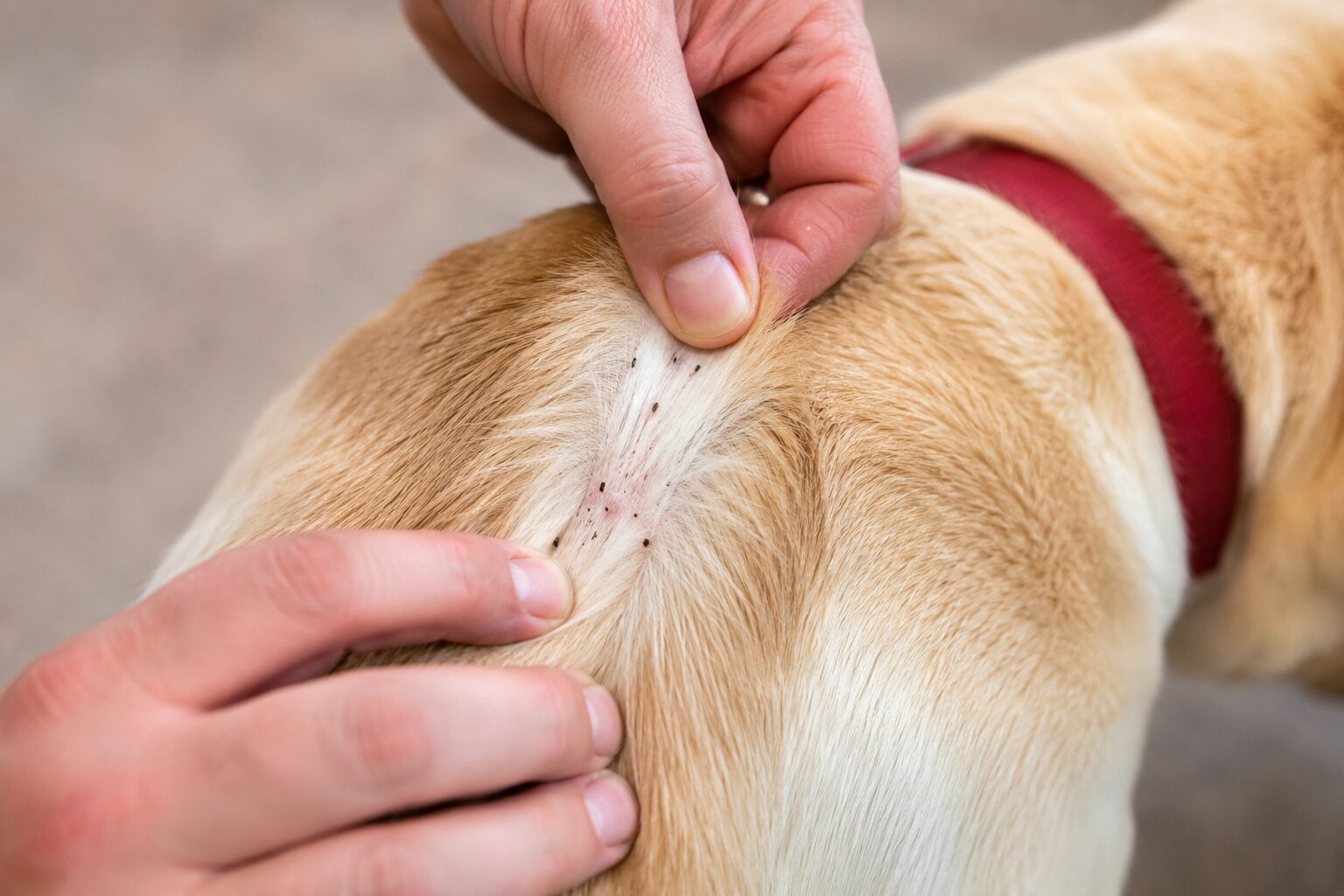
Few household pest problems escalate as quickly and frustratingly as fleas. What may begin as an occasional itchy bite or a few fleas noticed on a pet can rapidly turn into a widespread infestation affecting carpets, furniture, pet bedding, and multiple areas throughout the home.
One of the reasons flea infestations are so difficult is that homeowners often underestimate how quickly fleas reproduce and spread. By the time fleas become highly visible, there are usually far more flea eggs, larvae, and pupae hidden throughout the environment than actual adult fleas being seen.
Understanding why flea problems grow so rapidly can help homeowners respond early before infestations become much larger and more difficult to eliminate.
Fleas Reproduce at an Incredible Rate
Fleas are extremely efficient breeders.
A single adult female flea can lay dozens of eggs in a short period of time. Under favorable conditions, flea populations can expand very quickly inside homes.
What makes fleas especially challenging is that the infestation usually exists in multiple life stages simultaneously:
- Eggs
- Larvae
- Pupae
- Adult fleas
Many homeowners focus only on the adult fleas they see jumping on pets or carpeting, but adult fleas often represent only a small percentage of the total infestation.
Meanwhile, hundreds or even thousands of flea eggs and immature fleas may already be hidden throughout the home.
Flea Eggs Spread Everywhere
Flea eggs are not sticky, which means they easily fall off pets and scatter throughout the environment.
As pets move around the home, flea eggs may spread into:
- Carpets
- Rugs
- Furniture
- Pet bedding
- Floor cracks
- Upholstered surfaces
- Baseboards
This allows infestations to spread quickly from room to room.
Homes with carpeting often experience more severe infestations because carpets provide ideal environments for flea eggs and larvae to remain protected while developing.
Flea Larvae Hide Deep in Fabrics and Carpets
After hatching, flea larvae avoid light and burrow deep into protected areas.
Larvae commonly hide:
- Deep in carpet fibers
- Beneath furniture
- Inside pet bedding
- Along baseboards
- In floor cracks
- Under cluttered areas
Because they remain hidden so effectively, homeowners may not realize how large the infestation has become until adult fleas begin emerging in greater numbers.
This hidden development stage is one of the reasons flea infestations seem to “suddenly explode” even when only a few fleas were initially noticed.
Flea Pupae Are Extremely Difficult to Eliminate
One of the most frustrating parts of flea control is the pupal stage.
Flea pupae develop inside protective cocoons that are highly resistant to:
- Drying out
- Cleaning
- Many pesticides
- Environmental changes
Pupae may remain dormant for extended periods before emerging as adult fleas when vibrations, movement, warmth, or carbon dioxide signal that a host is nearby.
This means homeowners may continue seeing new adult fleas emerge even after treatment has already begun.
Because of this lifecycle, flea control often requires persistence and multiple treatment steps rather than a single quick solution.
Pets Often Bring Fleas Indoors
Pets are one of the most common ways fleas enter homes.
Dogs and cats may pick up fleas from:
- Yards
- Parks
- Other animals
- Wildlife
- Boarding facilities
- Grooming environments
- Outdoor resting areas
Even indoor pets can sometimes become exposed if fleas are carried inside from outdoor environments.
Once fleas enter the home, they rapidly begin reproducing if conditions are favorable.
Wildlife Around Homes Can Contribute to Flea Problems
Many homeowners do not realize that wildlife activity around the property may contribute to flea infestations.
Animals such as:
- Raccoons
- Opossums
- Rodents
- Feral cats
- Squirrels
can all carry fleas near or beneath homes.
Crawlspaces, decks, sheds, and attics may become hidden flea hotspots when wildlife nests nearby.
If the wildlife issue is not addressed, flea problems may continue recurring even after indoor treatments are performed.
Fleas Can Continue Reproducing Indoors Year-Round
Unlike outdoor flea populations that may decline seasonally, indoor environments often provide ideal flea conditions throughout the year.
Homes typically offer:
- Stable temperatures
- Humidity
- Hosts for feeding
- Protected breeding environments
This allows infestations to continue developing indoors even during colder months.
In the Pacific Northwest, mild temperatures and damp conditions can sometimes support prolonged flea activity compared to harsher climates.
Flea Bites Affect Both Pets and People
While pets are usually affected most heavily, flea infestations can also create major discomfort for homeowners.
Common signs of flea activity include:
- Excessive pet scratching
- Hair loss on pets
- Small bites around ankles and legs
- Restless pets
- Fleas visible on pet bedding
- Fleas jumping on carpeting or furniture
Some pets may develop allergic reactions to flea bites, leading to severe skin irritation and secondary infections.
The longer infestations continue, the more widespread these symptoms often become.
DIY Treatments Often Miss the Full Problem
Many homeowners attempt to solve flea infestations using store-bought sprays or foggers. Unfortunately, these approaches often target only visible adult fleas while missing hidden eggs and larvae.
Without treating the full flea lifecycle, infestations frequently return.
Successful flea control usually requires:
- Treating pets properly
- Thorough vacuuming
- Environmental treatment
- Washing bedding
- Addressing hidden nesting areas
- Repeat treatments when necessary
In severe infestations, professional treatment may be necessary to fully break the reproductive cycle.
Early Treatment Makes a Big Difference
The earlier flea activity is addressed, the easier the infestation usually is to control.
Small flea problems can escalate rapidly because:
- Eggs spread widely
- Fleas reproduce quickly
- Hidden life stages continue developing
- Wildlife or pets may reintroduce fleas repeatedly
Ignoring early signs often allows infestations to become far more widespread and difficult to eliminate.
Professional Flea Control Helps Break the Lifecycle
Effective flea treatment focuses on disrupting the flea lifecycle at multiple stages.
Professional pest control services help identify:
- Active flea hotspots
- Contributing wildlife activity
- Hidden breeding areas
- Environmental conditions supporting infestation
At New Day Pest, professional flea control services help homeowners throughout the Pacific Northwest address flea infestations quickly while targeting the underlying causes that allow flea populations to grow and spread inside the home.
Flea problems often begin quietly, but because fleas reproduce so aggressively, fast action is one of the most important steps in preventing a small problem from becoming a major infestation.