Cockroaches are one of the most persistent and unsettling pests a homeowner can encounter. They move quickly, hide easily, multiply fast, and carry bacteria that can pose real health risks. By the time a homeowner spots even one roach, there’s a high chance the infestation is much larger than it appears.
Understanding what attracts cockroaches — and why DIY control often fails — is the key to eliminating them and preventing them from returning.
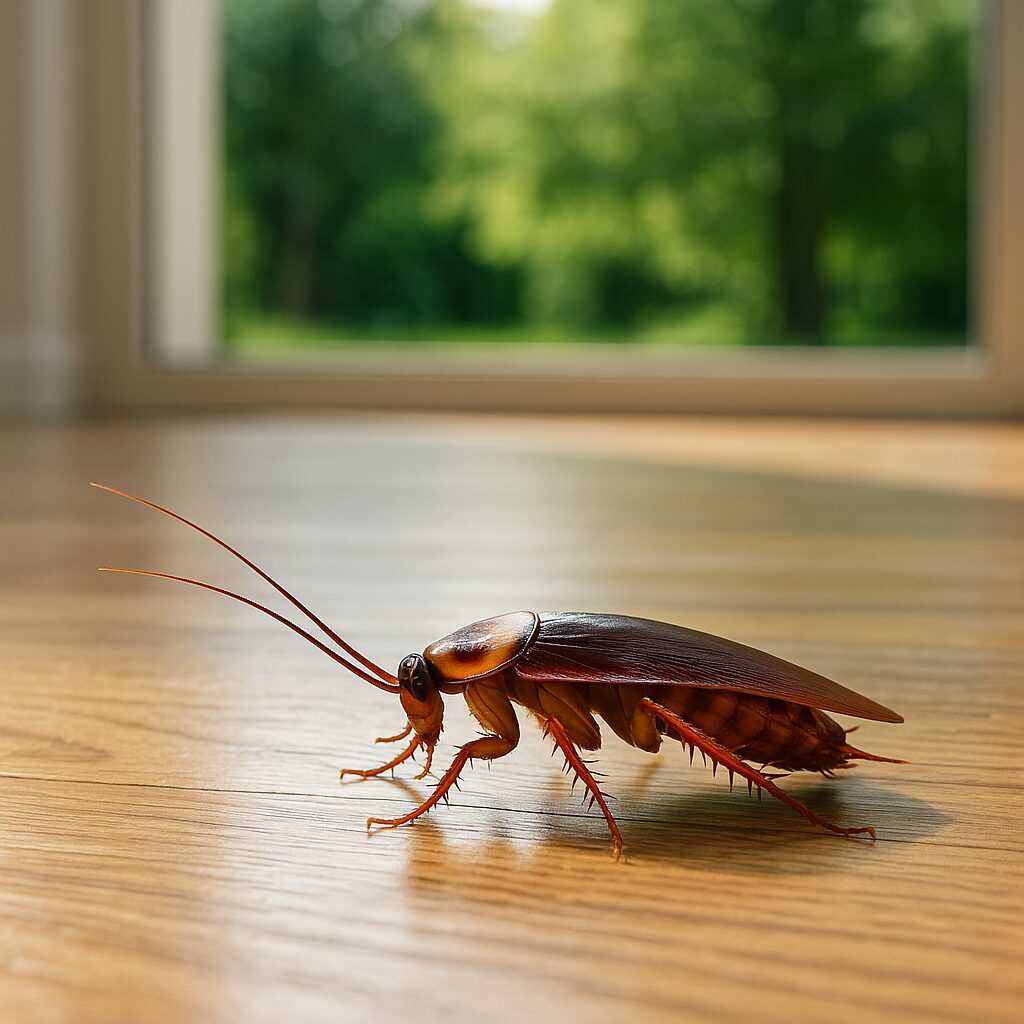
Why Cockroaches Are Drawn to Certain Homes
Cockroaches aren’t picky, but they do follow consistent patterns. They seek out environments that offer three things: food, water, and shelter. Even clean homes can end up with roaches if one or more of these needs are consistently available.
Common attractants include:
- Moisture from leaky pipes, sinks, basements, or appliances
- Food debris under appliances, in cabinets, or around trash bins
- Grease buildup near stoves
- Pet food left out overnight
- Clutter that provides hiding places
- Warm, dark spaces like behind fridges, inside walls, or under sinks
Because cockroaches can survive for weeks without food but only a few days without water, moisture is one of the strongest magnets for infestations.
The Types of Cockroaches Most Common in the Pacific Northwest
Different species behave differently, and knowing which one you’re dealing with is essential for proper treatment.
German Cockroaches
- The most common indoor roach
- Thrive in kitchens and bathrooms
- Reproduce exceptionally fast — one female can produce thousands of offspring in a year
- Often brought in through bags, boxes, appliances, or secondhand furniture
American Cockroaches
- Much larger
- Often found in crawlspaces, garages, and sewer lines
- Prefer warm, humid environments
- Typically migrate indoors through utility penetrations or drains
Oriental Cockroaches
- Common around foundation walls and moist landscaping
- Enter homes through cracks, vents, or under doors
- Attracted heavily to damp, cool spaces
Each species requires a different treatment strategy, which is why professional identification is so important.
Why Cockroaches Are So Hard to Eliminate
Cockroaches are built for survival — and they are far tougher than most homeowners realize.
1. They Reproduce Extremely Fast
Cockroaches multiply at a rate that outpaces most DIY treatments. Even if most are killed, surviving egg cases can repopulate the home within weeks.
2. They Hide in Nearly Impossible-to-Reach Places
Roaches nest inside:
- Wall voids
- Cabinet backs
- Appliance motors
- Plumbing chases
- Electrical outlets
- Behind drywall
DIY sprays only reach exposed surfaces — not the locations where roaches actually breed.
3. They’ve Developed Resistance to Many Store-Bought Insecticides
Over decades of exposure, cockroach populations have evolved to survive or avoid many consumer-grade products. Some roaches can detect and avoid certain baits entirely.
4. They’re Nocturnal and Expert at Avoiding Detection
If you see a roach during the day, it usually means the infestation is severe enough that hiding spaces are overcrowded.
5. They Can Survive on Very Little
Roaches can live off:
- Grease residue
- Soap
- Cardboard glue
- Organic matter in drains
- Even the crumbs under appliances
This makes DIY sanitation alone ineffective.
Health Risks Associated With Cockroaches
Cockroaches aren’t just unpleasant — they’re unsanitary. They can spread bacteria such as E. coli, Salmonella, and Staphylococcus as they move across surfaces and food storage areas.
They also leave behind:
- Droppings
- Shed skins
- Saliva
- Pheromones
These particles become airborne allergens that can worsen asthma, especially in children and sensitive individuals. Because cockroaches move through sewers, drains, and garbage, they track contaminants wherever they travel.
Why DIY Methods Rarely Work
Most homeowners start with sprays, traps, or foggers. While these may kill individual roaches, they rarely reach the nesting areas.
DIY fails because:
- Sprays scatter roaches into deeper hiding spots
- Foggers rarely penetrate wall voids
- Baits may be ignored if improperly placed
- Store-bought products lack the residual strength needed
- Most DIY approaches don’t address moisture and entry points
A short-term reduction in activity is common — followed by a resurgence once eggs hatch.
How Professionals Eliminate Cockroaches
Effective cockroach control requires a multi-step, targeted approach, including:
- Species identification
- Locating nests and high-traffic zones
- Using professional-grade baits and growth regulators
- Applying products inside voids, cracks, and inaccessible areas
- Reducing moisture sources around plumbing and appliances
- Sealing entry points
- Follow-up treatments to break the reproductive cycle
Professionals don’t just kill roaches — they disrupt the colony and prevent future generations from establishing themselves.
Preventing Cockroaches From Returning
Once a home is cleared, prevention is key:
- Fix moisture issues immediately
- Clean under refrigerators, stoves, and dishwashers
- Store food in airtight containers
- Empty trash regularly
- Avoid leaving pet food out overnight
- Seal cracks around plumbing, baseboards, and cabinets
Even small gaps can become heavily trafficked cockroach highways if left unaddressed.
Cockroaches Are Tough — But They’re Not Impossible to Eliminate
Cockroaches have earned their reputation as difficult pests, but with the right strategy and professional support, infestations can be eliminated completely. The sooner treatment begins, the easier (and cheaper) the process becomes.
At New Day Pest, we use targeted, science-based methods to remove roaches at the source — and prevent them from coming back.