Have you ever noticed that some homes seem to struggle with constant pest problems while neighboring houses experience very few issues? One property may regularly deal with rodents, ants, spiders, raccoons, or insects, while another nearby home appears relatively unaffected.
This is not usually random.
Pests are constantly searching for three basic things:
- Food
- Water
- Shelter
Certain homes simply provide these resources more easily than others. Factors such as moisture conditions, structural gaps, landscaping, sanitation, and even the age of the home can all make a property significantly more attractive to pests.
Understanding why some homes attract more pests than others can help homeowners identify vulnerabilities early and reduce the likelihood of recurring infestations.
Small Entry Points Make a Huge Difference
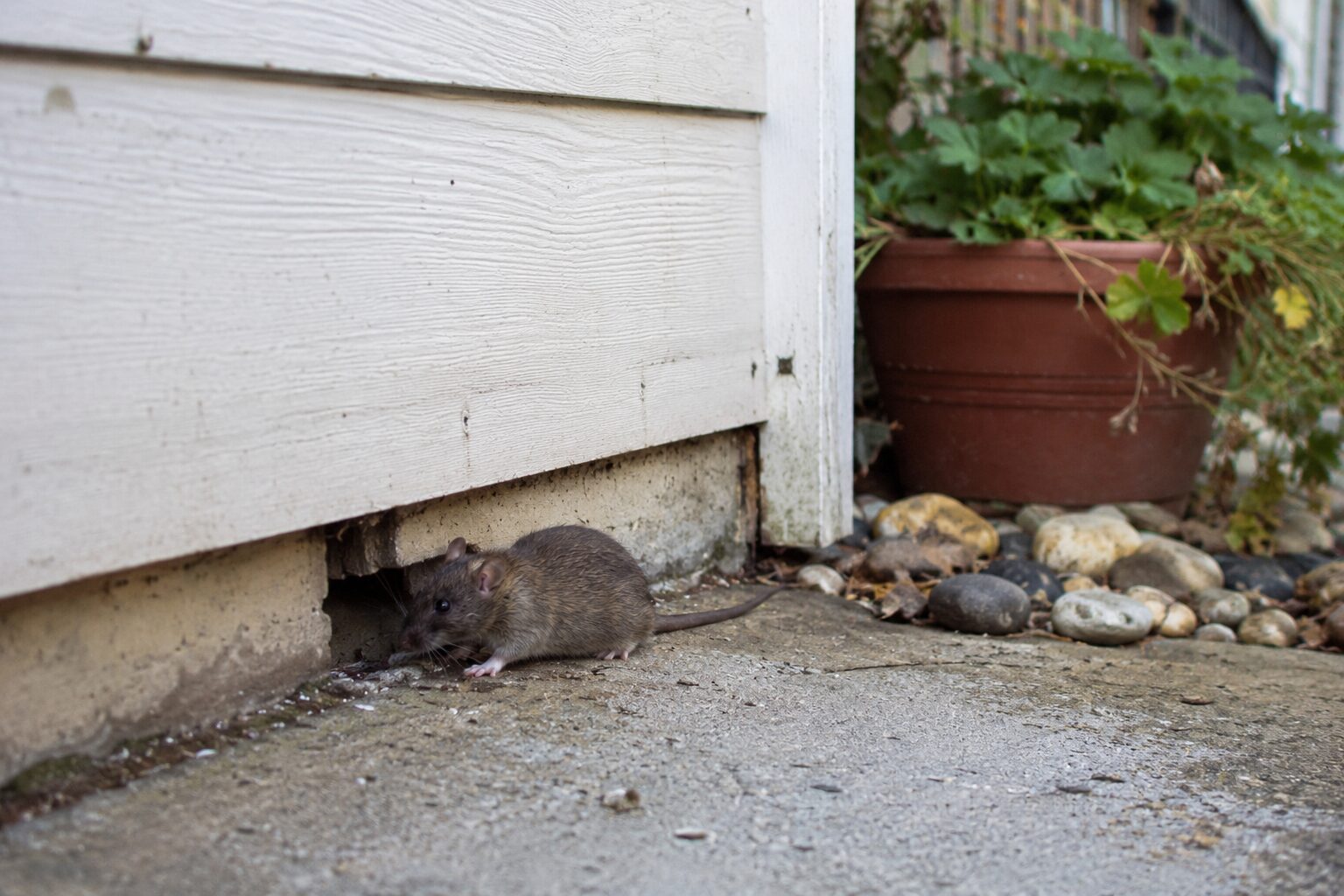
One of the biggest factors influencing pest activity is how easily pests can enter the structure.
Many homeowners are surprised to learn how small an opening rodents and insects need to gain access to a home.
Common entry points include:
- Crawlspace vents
- Roof gaps
- Utility penetrations
- Garage door gaps
- Missing vent screens
- Foundation cracks
- Damaged siding
- Gaps around pipes and wiring
Mice can squeeze through openings roughly the size of a dime, while rats can fit through surprisingly narrow gaps as well.
Once pests discover an accessible entry point, they often continue returning repeatedly — and other pests may follow the same route.
Homes with more unsealed gaps and aging structural vulnerabilities naturally tend to experience more pest pressure over time.
Moisture Problems Attract Pests
Moisture is one of the strongest pest attractants in the Pacific Northwest.
Many pests thrive in damp environments, especially:
- Rodents
- Ants
- Cockroaches
- Silverfish
- Earwigs
- Spiders
- Termites
- Moisture-loving insects
Homes with excess moisture often provide ideal nesting conditions in:
- Crawlspaces
- Basements
- Attics
- Bathrooms
- Under sinks
- Around leaking pipes
Poor drainage, roof leaks, standing water, and humid crawlspaces can all dramatically increase pest activity around a property.
In wet climates like Washington and Oregon, moisture control is often one of the most important parts of long-term pest prevention.
Food Sources Encourage Infestations
Pests go where food is easy to access.
Even small food sources can sustain growing infestations over time. Common attractants include:
- Pet food
- Bird seed
- Garbage
- Crumbs
- Unsealed pantry items
- Compost bins
- Fallen fruit
- Outdoor grills
- Livestock feed
Rodents and insects are highly opportunistic. Once they discover a reliable food source near a home, they often establish nesting areas nearby.
Outdoor food sources are especially important because they frequently attract pests before those pests eventually move indoors.
Clutter Creates Ideal Hiding Areas
Pests prefer environments where they can remain hidden and undisturbed.
Both indoor and outdoor clutter can provide excellent shelter for:
- Rats
- Mice
- Spiders
- Insects
- Wildlife
Common problem areas include:
- Wood piles
- Dense vegetation
- Storage boxes
- Crawlspace debris
- Overgrown landscaping
- Unused equipment
- Garage clutter
These protected hiding areas allow pests to nest safely close to the structure.
Reducing clutter and improving visibility around the property often helps reduce pest pressure significantly.
Landscaping Can Increase Pest Activity
Many homeowners do not realize how much landscaping affects pest activity.
Dense shrubs, ivy, overhanging branches, and vegetation touching the structure create easy pathways for pests to access the home.
Overgrown landscaping may:
- Trap moisture
- Hide burrows
- Protect rodents from predators
- Create roof access routes
- Allow insects to gather near the structure
Tree branches touching roofs are especially problematic because they provide direct access to attics and upper portions of the home.
Well-maintained landscaping helps reduce hiding areas and makes the property less attractive to pests overall.
Older Homes Often Have More Vulnerabilities
Older homes frequently experience higher pest activity because they naturally develop more structural gaps and weaknesses over time.
Aging homes may contain:
- Settling cracks
- Warped siding
- Loose vents
- Damaged crawlspace screens
- Older roofing materials
- Unsealed utility penetrations
Over decades, these small openings create multiple opportunities for pests to enter the structure.
Older pipe systems are also more vulnerable to root intrusion and moisture issues that may contribute to pest problems.
Routine inspections become increasingly important as homes age.
Seasonal Changes Push Pests Indoors
Even well-maintained homes may experience increased pest pressure during seasonal transitions.
In the Pacific Northwest:
- Cold weather drives rodents indoors seeking warmth
- Heavy rain pushes pests toward dry shelter
- Summer drought conditions may increase insect movement toward water sources
- Fall often triggers rodent nesting activity
Homes that already provide easy shelter and food become especially attractive during these periods.
This is why many pest problems suddenly become more noticeable during fall and winter months.
Some Pest Problems Start Outside the Home
Not all infestations begin indoors.
Many pest populations first establish themselves around the exterior of the property before eventually moving inside.
Common outdoor sources include:
- Burrows near foundations
- Deck voids
- Crawlspace openings
- Sheds
- Firewood piles
- Dense vegetation
- Standing water areas
This is why exterior inspections and preventative exclusion work are such important parts of long-term pest control.
Prevention Is More Effective Than Reacting
One of the biggest misconceptions about pest control is that treatment alone solves the problem permanently.
Long-term pest prevention usually requires:
- Sealing entry points
- Managing moisture
- Reducing food sources
- Improving sanitation
- Maintaining landscaping
- Monitoring for activity
Without addressing these underlying conditions, pests often return repeatedly even after treatment.
Professional Inspections Help Identify Hidden Risk Factors
Many homeowners are unaware of the specific conditions attracting pests to their property.
Professional pest inspections help identify:
- Entry points
- Moisture problems
- Structural vulnerabilities
- Hidden activity
- Conditions encouraging infestation
Early identification allows homeowners to address small problems before they become major infestations.
At New Day Pest, professional inspections and exclusion services help homeowners throughout the Pacific Northwest identify why pests are targeting their property and develop long-term solutions to keep homes better protected year-round.
Every home has unique vulnerabilities, but understanding what attracts pests is one of the first and most important steps toward preventing infestations before they grow into much larger problems.